Trying to choose between a home with history and a home with brand-new finishes? In Easley, that decision is especially relevant because you will find both established homes with character and newer communities built for modern convenience. If you are weighing charm, upkeep, price, and lifestyle, this guide will help you understand what each option can offer so you can make a move that fits your day-to-day life. Let’s dive in.
Easley Offers Both Old and New
Easley has deep roots as a railroad town and textile center, and that history still shapes the feel of the city today. The city highlights its rail heritage, downtown Main Street, parks, and community events as part of Easley’s identity, and places like the Doodle Trail and historic downtown reflect that story.
At the same time, Easley is not standing still. According to Census QuickFacts, the city has an owner-occupied housing rate of 68.9%, a median owner-occupied home value of $263,500, and a median gross rent of $947 for 2020 to 2024. The city’s comprehensive plan also shows a housing stock with a strong single-family presence and ongoing new development, including subdivisions and multifamily projects already under construction or approved.
That mix is what makes Easley appealing to many buyers. You can look for an older home near established areas and downtown, or you can focus on a newer subdivision or townhome community designed around low-maintenance living.
What Older Charm Means in Easley
In Easley, “older charm” usually means homes connected to the city’s earlier growth and historic character rather than a market dominated by formal historic districts. The safest way to think about these homes is as character properties in established areas, often closer to downtown or other earlier development patterns.
That charm is tied to Easley’s identity. Local tourism materials describe a historic downtown with antique shops and railroad influence, and even point to landmarks like the circa-1905 Pecan Terrace Inn as part of that historic setting.
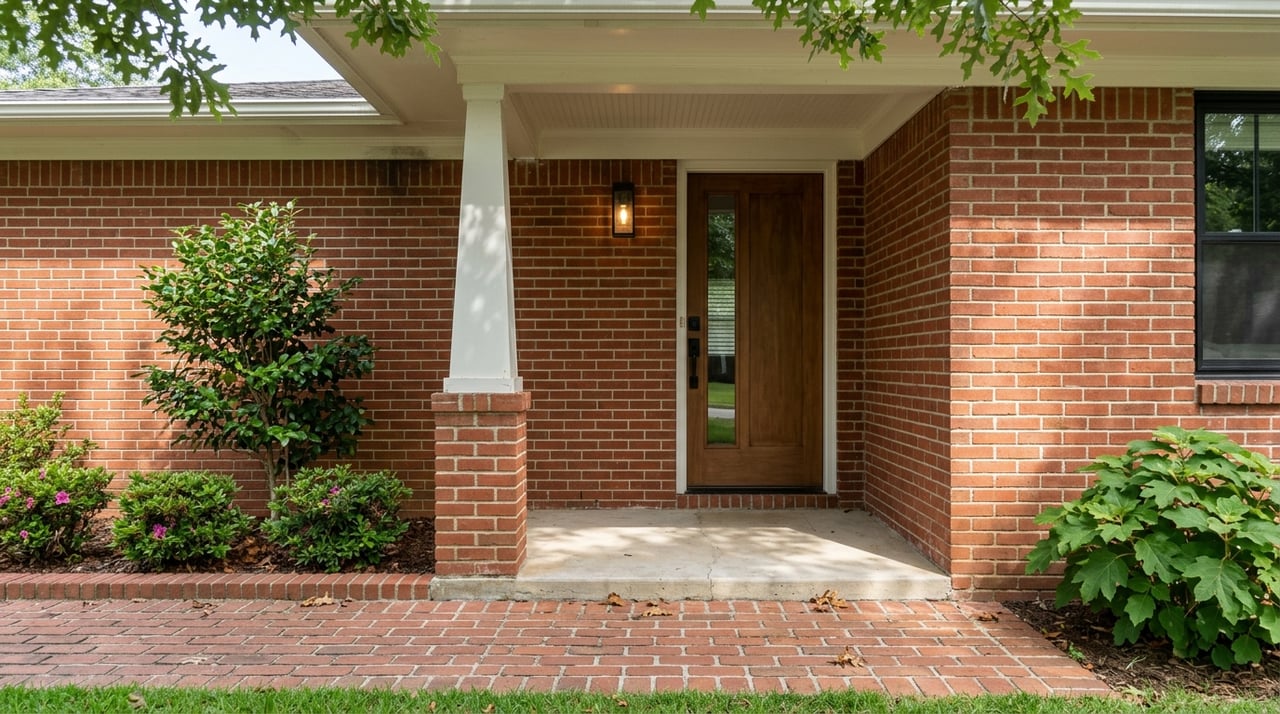
Older homes often appeal to buyers who want details you may not always find in new construction. Depending on the property, that might include mature lots, distinctive exterior design, original features, or a location that feels more connected to the traditional heart of the city.
What New Builds Look Like in Easley
New construction is a real part of the Easley market, not just a future trend. The city’s comprehensive plan notes 13 single-family subdivisions under construction or approved with roughly 1,450 lots, along with five multifamily projects totaling about 696 units. That tells you Easley is actively adding housing inventory.
You can also see that growth in current communities. For example, Meece Townhomes has been marketed as a 54-townhome community near downtown with 3 bedrooms, 2.5 bathrooms, about 1,532 square feet, and an energy-efficient, low-maintenance design. Brownstone Park has been marketed with 3-bedroom plans around 1,766 to 2,001 square feet and price points in the low- to mid-$300,000s.
Another example is Pearson Road Townhomes, a new townhome community with 3 bedrooms, 2.5 bathrooms, about 1,904 square feet, and pricing around $235,000 to $255,000 at the time referenced in the source. Regionally, PulteGroup’s Upstate expansion also points to Easley and nearby communities as part of a broader pattern toward compact, modern, low-maintenance housing.
Older Home vs New Build: Key Differences
If you are deciding between the two, it helps to compare them by lifestyle rather than by age alone.
| Feature | Older Easley Home | New Easley Build or Townhome |
|---|---|---|
| Setting | Often in established areas near downtown or earlier growth areas | Often in newer subdivisions or planned communities |
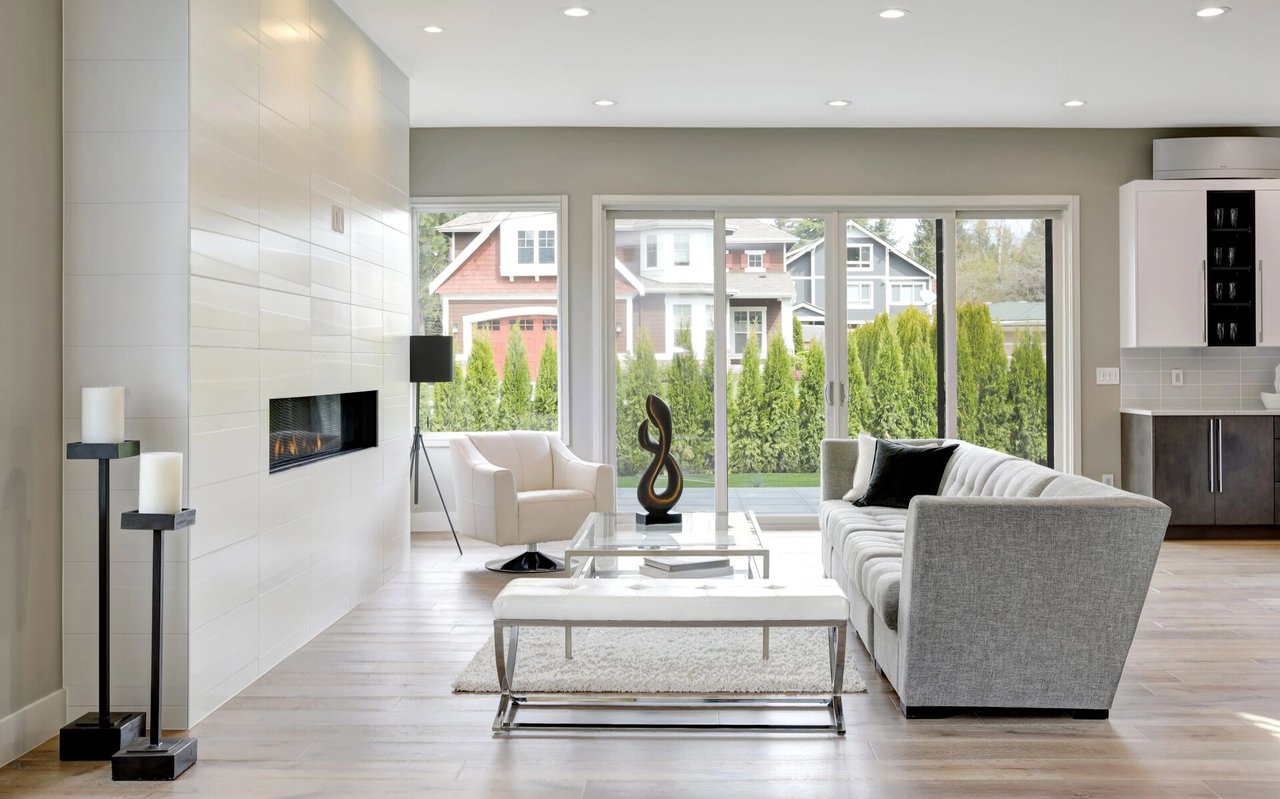
| Style | More likely to offer character and historic context | More likely to offer modern layouts and finishes |
| Maintenance | May require more updates or ongoing repair | Usually offers fewer immediate repair needs |
| Energy Performance | May benefit from insulation or air sealing improvements | Often built with energy-efficient features |
| Lifestyle Fit | Good for buyers who value charm and location feel | Good for buyers who value convenience and predictability |
Neither option is automatically better. The right fit depends on how you want to live, what kind of maintenance you are comfortable with, and what matters most in your budget.
Why Buyers Choose Older Homes
Older homes can feel more individual. If you love established streets, mature landscaping, and a home that does not look exactly like the one next door, an older Easley property may stand out to you.
They can also place you closer to the city’s traditional center. Easley’s downtown, local dining, parks, and the Doodle Trail lifestyle are a draw for buyers who want a stronger connection to the community’s historic core.
There is also an emotional side to the decision. Some buyers simply want a home with a sense of story, and Easley’s railroad-era roots help explain why that kind of appeal still matters here.
What to Watch With Older Homes
Charm can come with responsibility. If you are considering an older home, it is wise to plan for more maintenance than you might expect with a newly built property.
One major point is age-related systems and materials. The city’s comprehensive plan says Easley has a median housing age of 34 years, and 46% of units were built between 1970 and 1999, so many homes are old enough that updates may become part of your ownership experience.
If a home was built before 1978, lead-based paint should also be on your radar. The EPA notes that homes built before 1978 may contain lead-based paint, and renovations that disturb paint must follow lead-safe practices when done by contractors.
Energy performance can be another factor. The Department of Energy explains that older homes often benefit from added insulation and air sealing, which can help improve comfort and efficiency over time.
Why Buyers Choose New Construction
New homes and townhomes tend to win on predictability. You are more likely to get a floor plan designed for current living patterns, newer systems, and fewer immediate repair projects after move-in.
That can be especially appealing if your life is already busy. Whether you are relocating, balancing work and family schedules, or just want a more streamlined ownership experience, newer homes often reduce the number of near-term surprises.
Townhomes can also be a strong option if you want lower exterior upkeep. In Easley, newer townhome communities are part of a broader move toward more compact and maintenance-light housing choices.
Which Option Fits Your Lifestyle?
A simple way to decide is to think about your top priorities.
An older Easley home may be the better match if you want:
- Established surroundings
- Historic context and character
- Proximity to downtown Easley
- A property that feels more one-of-a-kind
A new build or townhome may be the better match if you want:
- Newer systems and finishes
- Energy-efficient construction
- Less immediate maintenance
- A more predictable move-in experience
Commute and convenience matter too. Easley offers access to Greenville and Clemson-area employment corridors, and some newer communities specifically highlight access to Downtown Easley, Highway 153, and I-85. If location efficiency matters more to you than lot size or historic feel, newer communities may deserve a close look.
How Price and Value Can Differ
Price comparisons in Easley depend on the exact home, location, and condition. The citywide median owner-occupied home value is $263,500 according to the Census, but individual homes can vary widely depending on updates, size, and neighborhood setting.
Some newer townhomes have been marketed in the mid-$200,000s, while some new detached homes have been marketed in the low- to mid-$300,000s. Older homes may enter the market at different price points, but buyers should also think beyond purchase price and factor in likely repairs, renovation plans, and energy upgrades.
In other words, value is not just about the list price. It is about the full cost of ownership and whether the home supports the way you want to live.
How to Make the Right Easley Choice
If you are torn between older charm and a new build, try narrowing your decision with a few practical questions:
- Do you want personality, or do you want turnkey simplicity?
- Are you comfortable planning for repairs or upgrades?
- Is walkability to downtown and established surroundings important to you?
- Would you rather have newer systems and a lower-maintenance setup?
- Does your daily routine favor commute convenience over yard size or historic character?
When you tour homes, look past the surface. Pay attention to layout, upkeep, location, and how each property fits your daily habits. The best home for you is the one that supports your lifestyle now and still feels like a smart choice a few years down the road.
Whether you are drawn to Easley’s older character homes or interested in the ease of newer construction, having a local guide can make the decision much clearer. If you want help comparing neighborhoods, home styles, and what fits your budget and goals, connect with Mary Sloka for thoughtful, local guidance.
FAQs
What does older charm usually mean for homes in Easley?
- In Easley, older charm usually refers to character homes in established areas, often tied to the city’s historic downtown and early growth patterns rather than a large concentration of formal historic districts.
What maintenance issues matter most in older Easley homes?
- Older Easley homes may need more attention to aging systems, repairs, insulation, air sealing, and, for homes built before 1978, possible lead-based paint considerations.
Are new townhomes in Easley a good low-maintenance option?
- Yes, newer Easley townhomes can be a strong fit if you want modern layouts, energy-efficient construction, and less immediate exterior maintenance than many detached homes.
How much new construction is happening in Easley right now?
- Easley has active housing growth, with the city’s comprehensive plan noting multiple single-family subdivisions and multifamily projects under construction or approved.
Is an older Easley home or a new build better for commuting?
- It depends on the specific location, but some newer Easley communities market convenient access to Downtown Easley, Highway 153, and I-85, while older homes may offer better access to established central areas and downtown amenities.